
SEARCH BY MODEL. MATCH BY SPEC.
Replacement batteries for the equipment you rely on
Find batteries, chargers and accessories by exact part number, device model or battery specification.
BATTERY FINDER
Start with what is printed on your battery
SHOP THE CATALOG
Find the right kind of power
Batteries
Replacement batteries for devices, equipment and backup power.
Shop batteries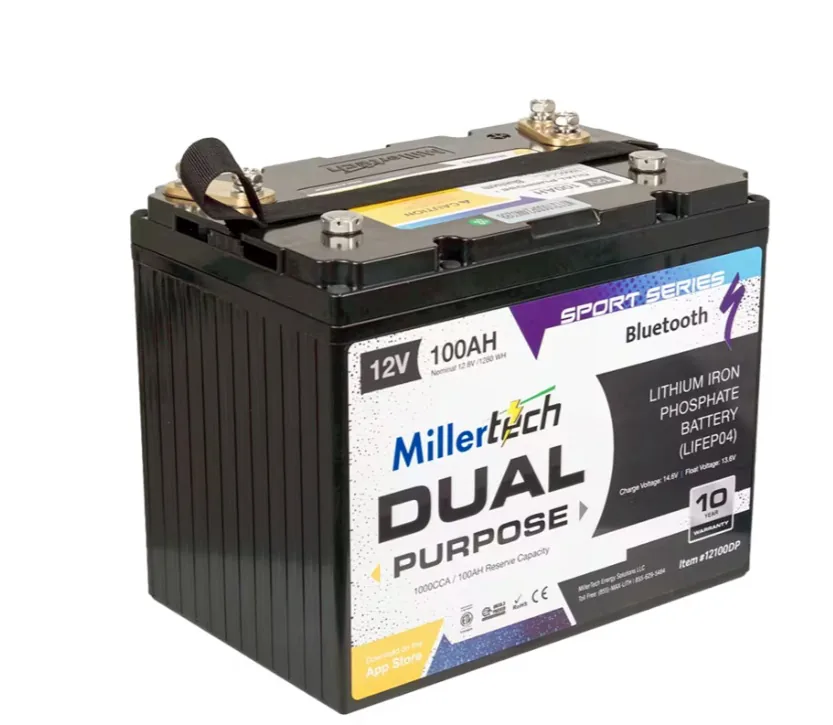 607 products
Chargers
Match chemistry, output, connector and polarity.
Shop chargers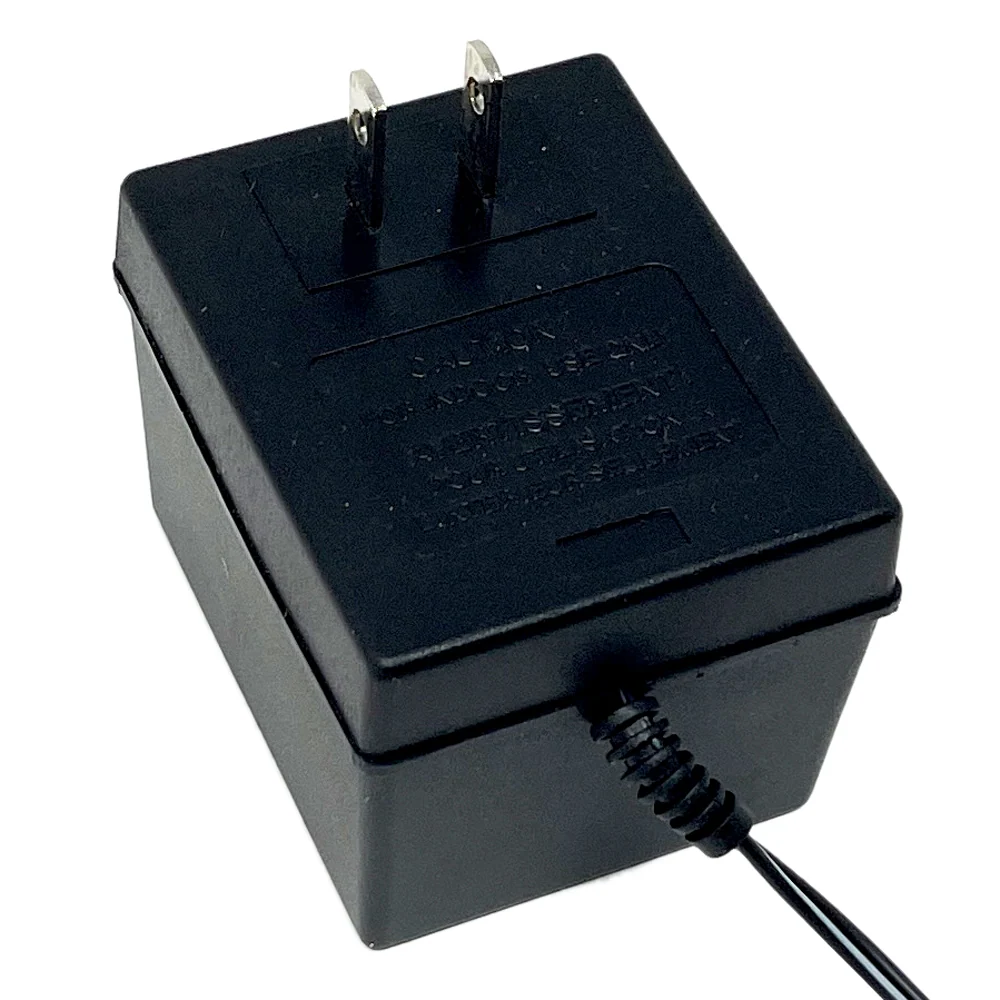 1,751 products
Accessories
Cables, connectors, trays, adapters and cases.
Shop accessories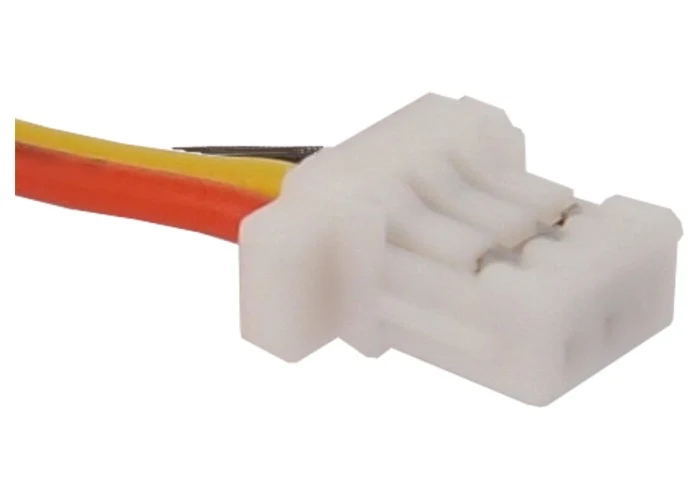 226 products
Test equipment
Testers, meters and tools for checking battery condition.
Shop test equipmentSHOP BY APPLICATION
What needs a new battery?
Start with the device, then narrow by full model and original battery number.
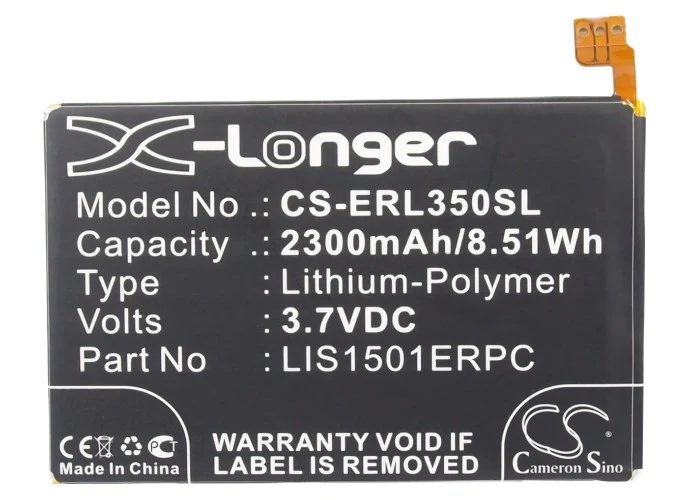
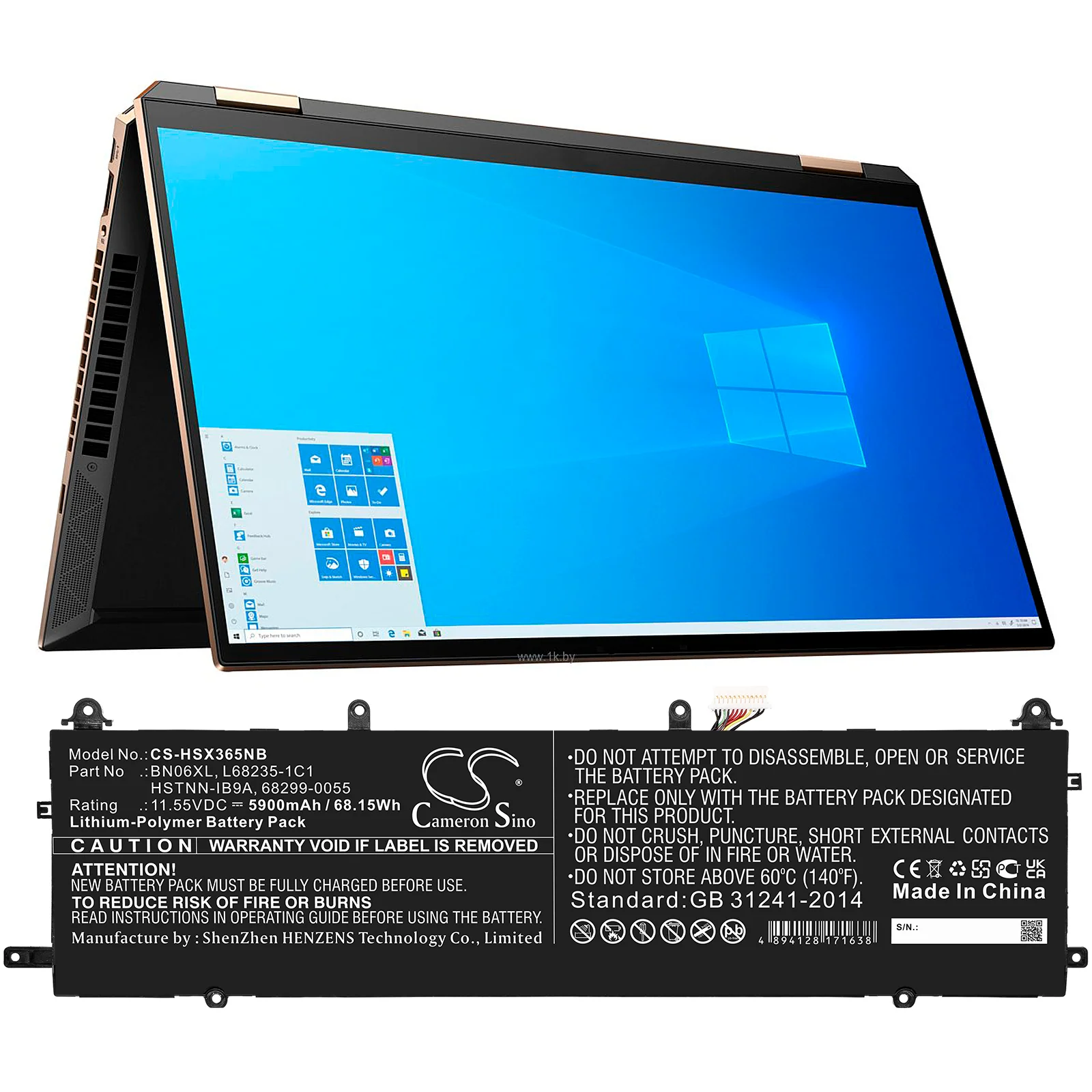
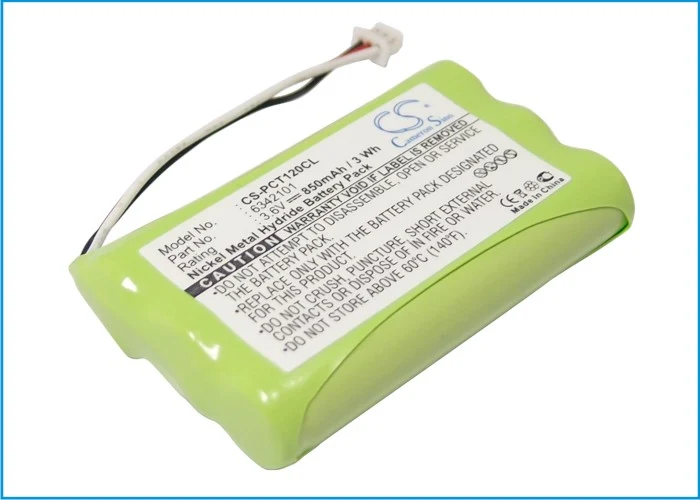
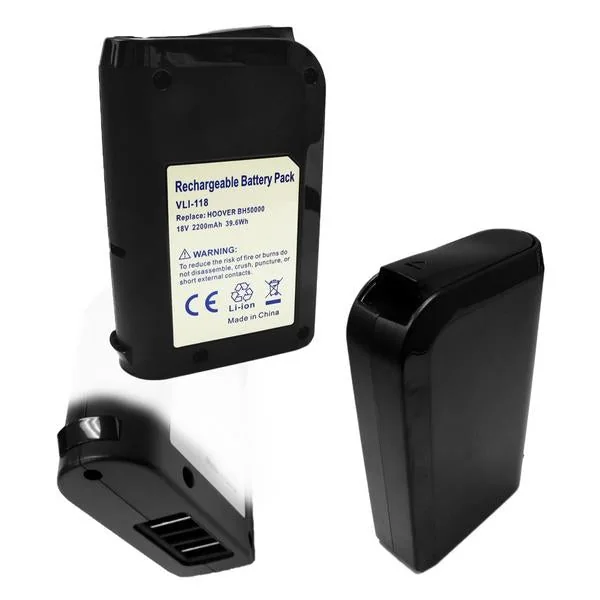
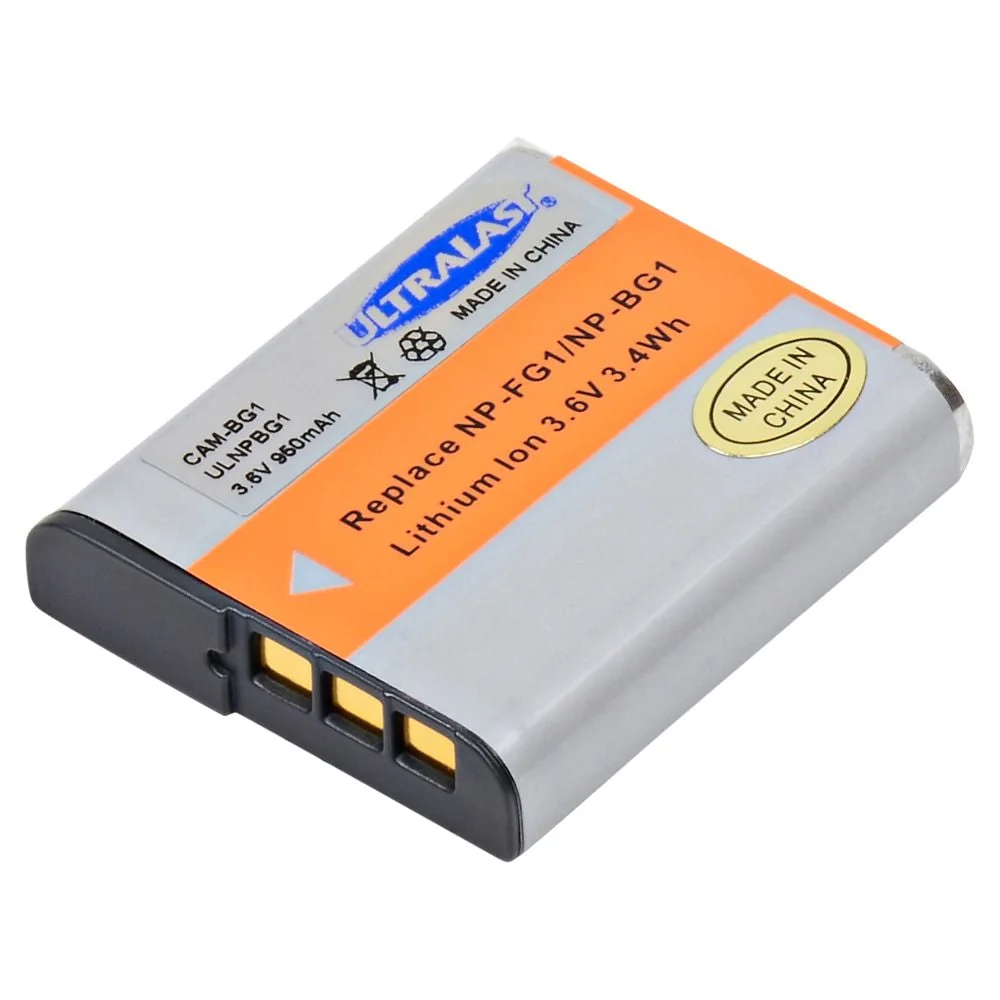
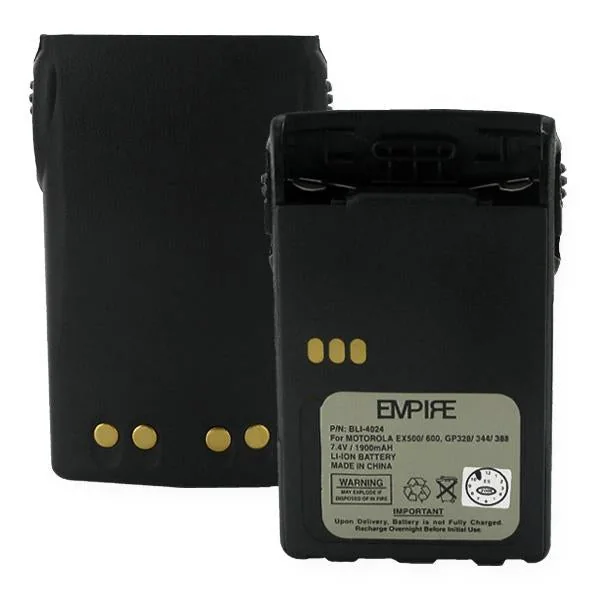
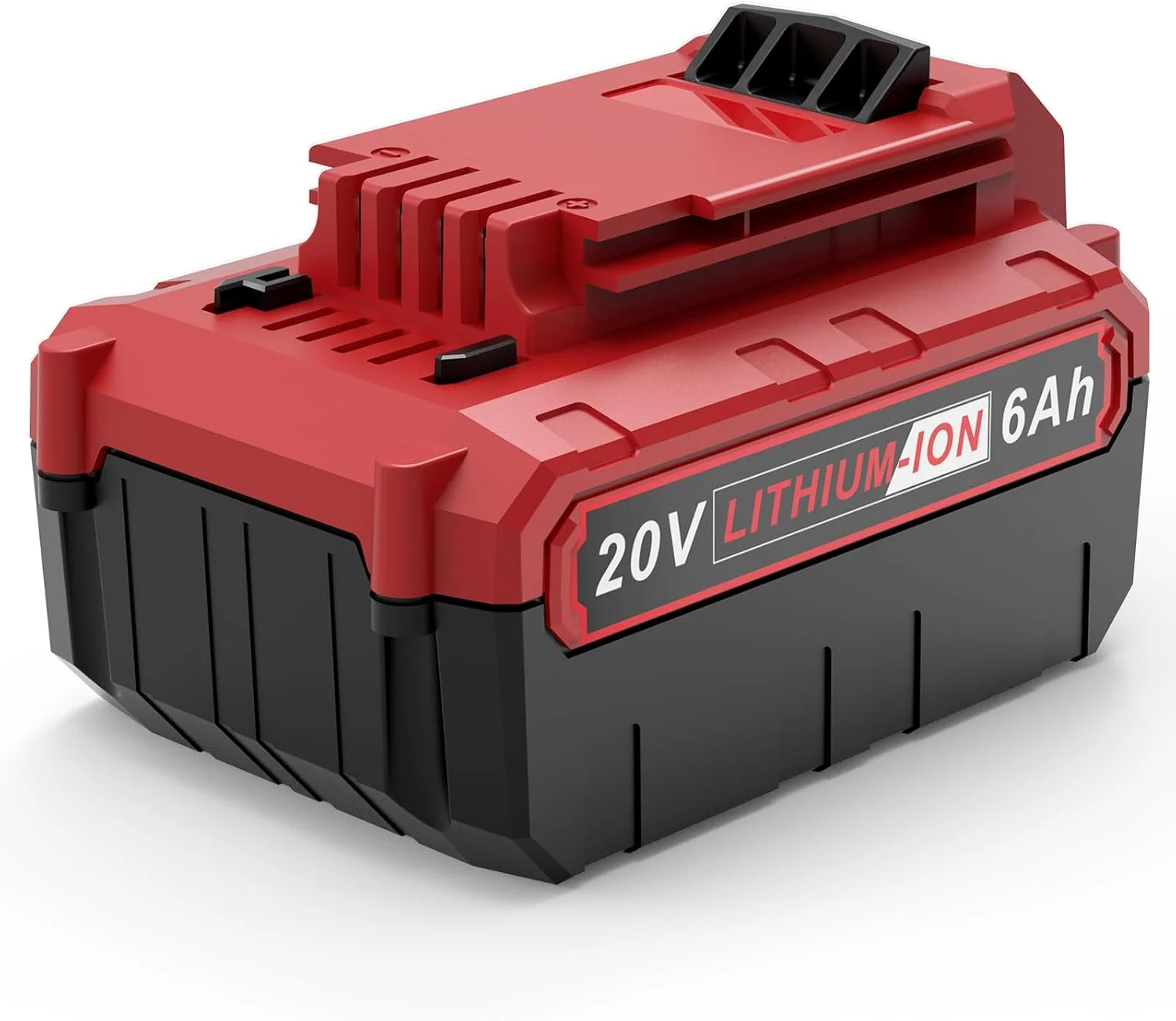
MATCH BEFORE YOU ORDER
The part number gets you close. The specifications confirm the fit.
Replacement batteries can share a voltage and still differ in chemistry, size, connector or charging requirements.
Search the catalog- 01Match the full part number
Include every prefix, suffix, dash and revision printed on the original.
- 02Verify electrical specifications
Check voltage, chemistry and capacity against the equipment requirements.
- 03Compare the physical fit
Confirm dimensions, connector, terminal layout and polarity before ordering.
COMMON QUESTIONS
A better match starts with better details
Use the information printed on the original battery and the equipment label as your source of truth.
Is matching the voltage enough?
No. Voltage alone does not confirm compatibility. Chemistry, capacity, dimensions, connector, terminal layout and charging requirements can also matter.
Where can I find the battery part number?
Look for the model, part number or P/N on the battery label. Record the complete value, including letters and suffixes, then compare it with the product listing.
Can I use a battery with a different capacity?
Only when the equipment and charger specifications support it and the replacement still matches the required chemistry, voltage, physical dimensions and connector.
How should I compare connectors?
Compare connector shape, pin count, wire orientation and polarity. Similar-looking plugs are not proof of electrical compatibility.